Category: Art of the future: museums, exhibitions, cultural experience
Classical art meets technology, and museums become interactive spaces. Read about how digital solutions and new formats are changing the perception of culture.
Museums: repositories of cultural heritage Museums play a key role in the preservation of cultural heritage and the presentation of art. They are not only a place to store works of art, but also cultural centers that attract public attention, inspire and educate. Museums provide access to artistic masterpieces of the past and present, as…
Understanding cultural experience as a key element of personality Cultural experience plays an important role in shaping each person’s personality. It encompasses the totality of experiences that a person receives through interaction with the art, traditions, history, and cultural practices of their society. These experiences are not limited to conscious perception alone, but also include…
Museum in the 21st century: the new role of art in the digital age The Museum, as a cultural institution, has always been associated with the preservation and demonstration of the cultural heritage of mankind. But in the 21st century, its role is changing, and new technologies are becoming a powerful tool capable of rethinking…
Cinema as art: traditional approaches to film perception Cinema has always been perceived as a powerful means of art, but for a long time it was strictly limited to the screen. The film was an object for observation, which existed within certain temporal and spatial boundaries. The emergence of cinema as an art at the…
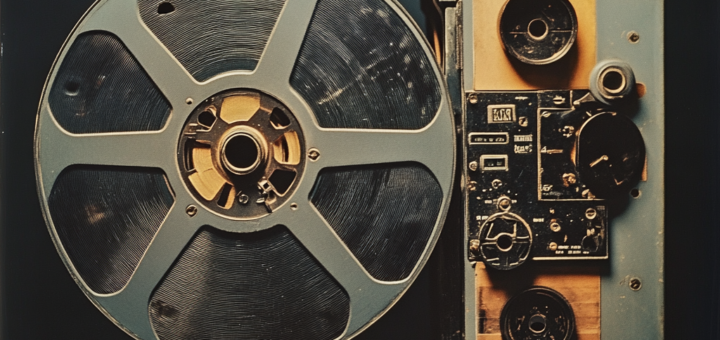
From film to digital: how cinema has changed in recent decades There have been several key moments in the history of cinema that have changed its perception and technological development. One of the most significant changes was the smooth and later rapid disappearance of film as the main medium for cinematographic works. For over 100…